Stablecoins Explained: Why They Matter in Volatile Markets
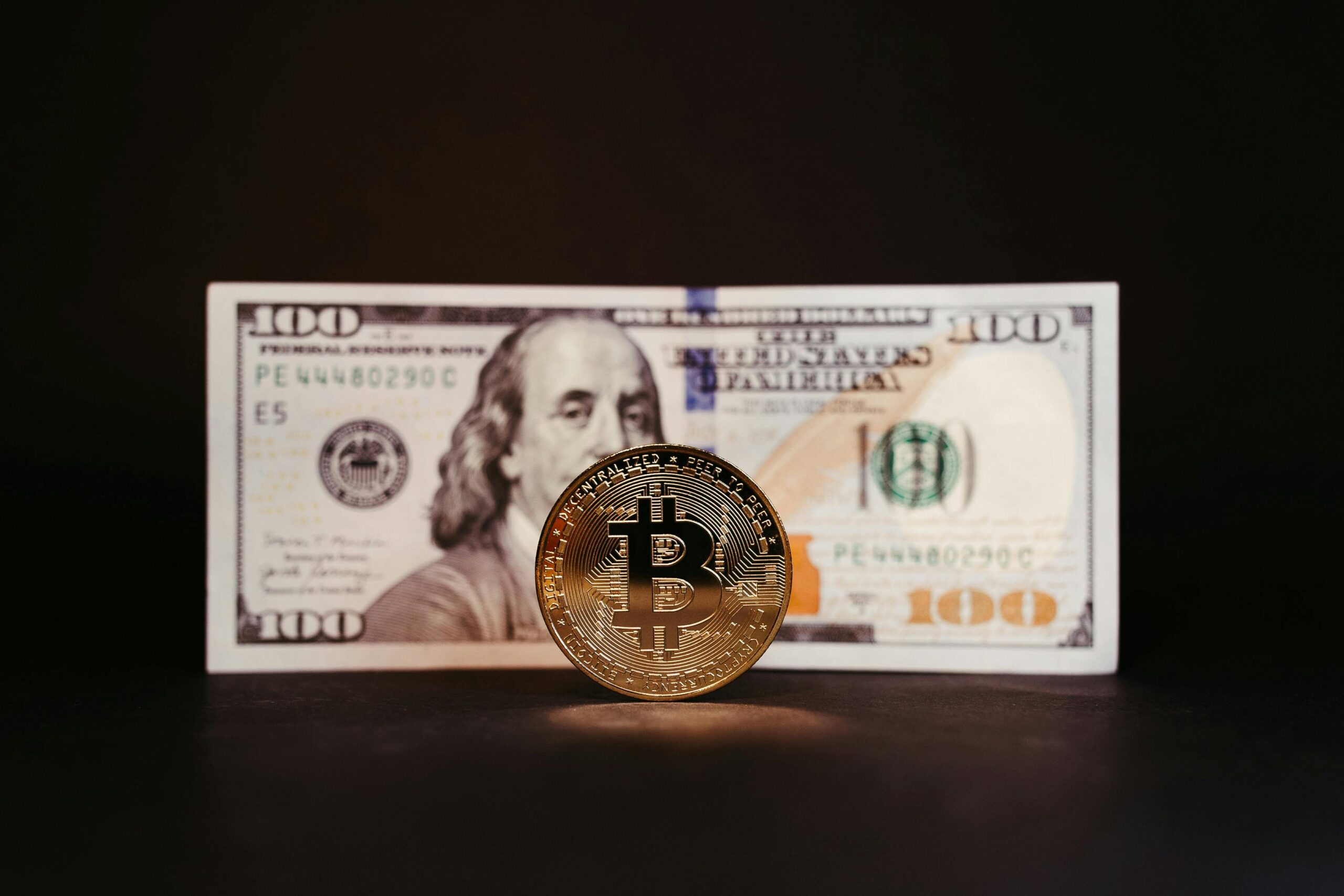
In February 2026, Stablecoins have evolved from being the “plumbing” of crypto exchanges to becoming a fundamental pillar of the global financial operating system.
In a month where Bitcoin has seen significant price swings (dipping from its 2025 highs toward the $60,000 range), stablecoins act as the primary “shock absorbers” for the digital economy.
1. What Are Stablecoins in 2026?
A stablecoin is a digital asset designed to maintain a 1:1 “peg” to a stable reference asset, most commonly the US Dollar (USD). Unlike Bitcoin, which is a “psychological commodity,” stablecoins are utility-first instruments.
The Three Main Types in Today’s Market:
- Fiat-Backed (The Gold Standard): These are 100% backed by cash and US Treasuries held in regulated banks. Examples: USDC and USDT. In 2026, these account for over 98% of all stablecoin volume.
- Crypto-Collateralized: These maintain their value by being “over-collateralized” with other cryptos. For example, to get $100 of DAI, you might need to lock up $150 worth of Ethereum as a safety buffer.
- Algorithmic (The Risky Tier): These use code and “mint-and-burn” mechanics to maintain their price. Following several high-profile collapses in previous years, these are largely treated as “unbacked speculative assets” by 2026 regulators.
2. Why They Matter During Volatility
In a volatile market like the “2026 Crypto Winter,” stablecoins serve three critical functions:
- The “Safe Harbor”: When Bitcoin prices drop 10% in a day, traders don’t always want to cash out to a bank (which can take days). They “park” their value in stablecoins instantly to preserve their purchasing power while staying “on-chain” to buy the dip later.
- Dry Powder: Stablecoins represent ready-to-deploy capital. By holding them in a wallet, investors can react to market movements in seconds rather than waiting for a wire transfer from a traditional bank.
- Collateral for Loans: In 2026, most decentralized lending happens via stablecoins. Investors can borrow stablecoins against their Bitcoin holdings to pay bills without being forced to sell their BTC at a loss during a crash.